Antimicrobial resistance (AMR) is a naturally occurring phenomenon arising from competition between bacteria, fungi and other microbes, and has existed for millions of years. Microorganisms have evolved mechanisms to resist antimicrobial compounds, and resistance genes are widespread in natural environments. However, human activities, particularly widespread antimicrobial use in healthcare, agriculture, personal care products and other sectors, can accelerate the selection and spread of AMR, making infections harder to treat and posing risks to human and animal health and food production.
23.11.2026
The World Health Organization (WHO) recognises AMR among the top global public health threats, yet it is not solely a clinical problem. The environment is both a natural reservoir of resistance and a potential pathway for resistant microbes and resistance genes to move between humans, animals and ecosystems.
This interconnectedness is central to the World AMR Awareness Week (WAAW 18-24th November), whose theme this year is “One Health, One Action: Prevent AMR Now”. Understanding AMR therefore requires distinguishing natural resistance from the added pressures of human activities and investigating how these interact across environmental systems.
You cannot see AMR with the naked eye. In rivers, for example, water can look the same whether it carries more or less AMR, and it is not obvious whether viable resistant microbes are present how many resistance genes are there, or whether upstream pollution has influenced the AMR carried by the microbial community. Answering those questions means making an invisible problem measurable.
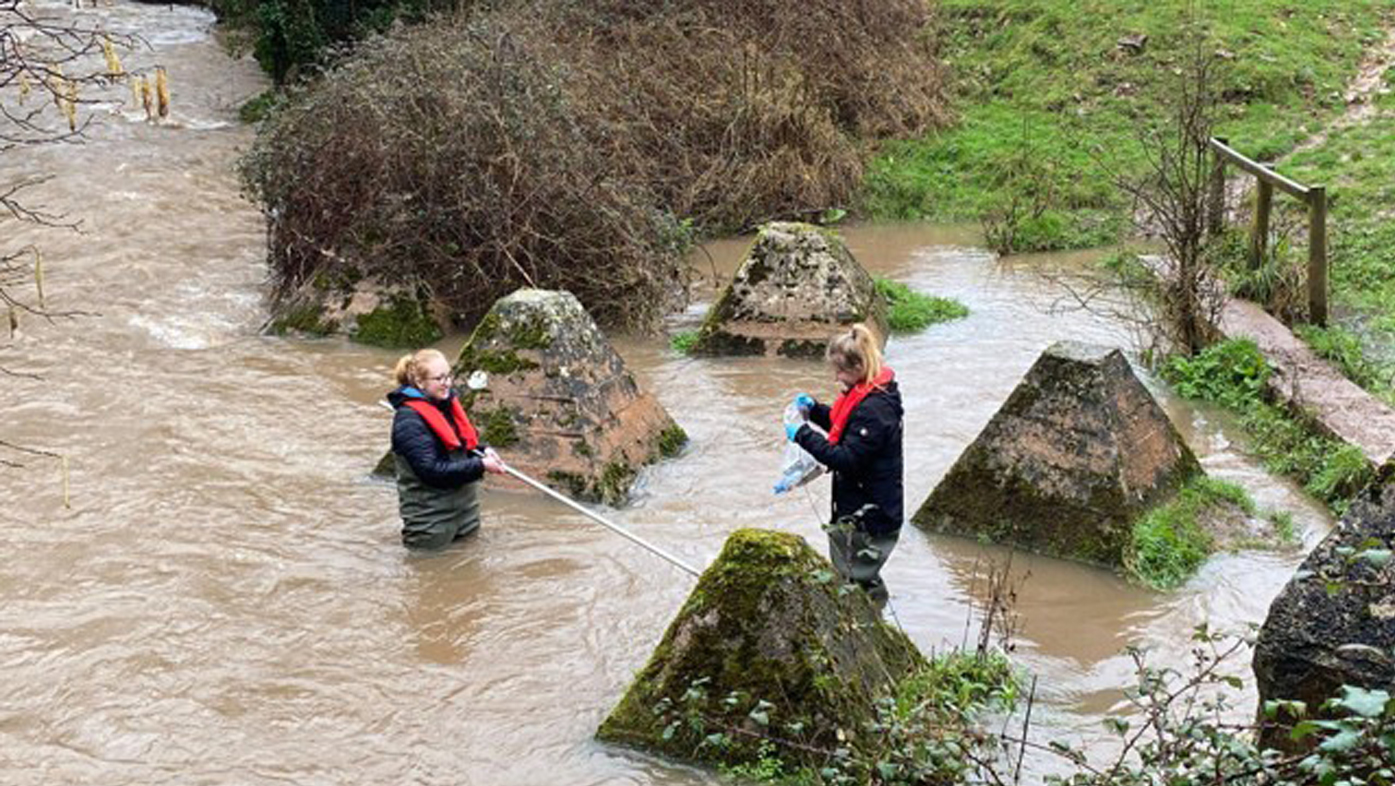
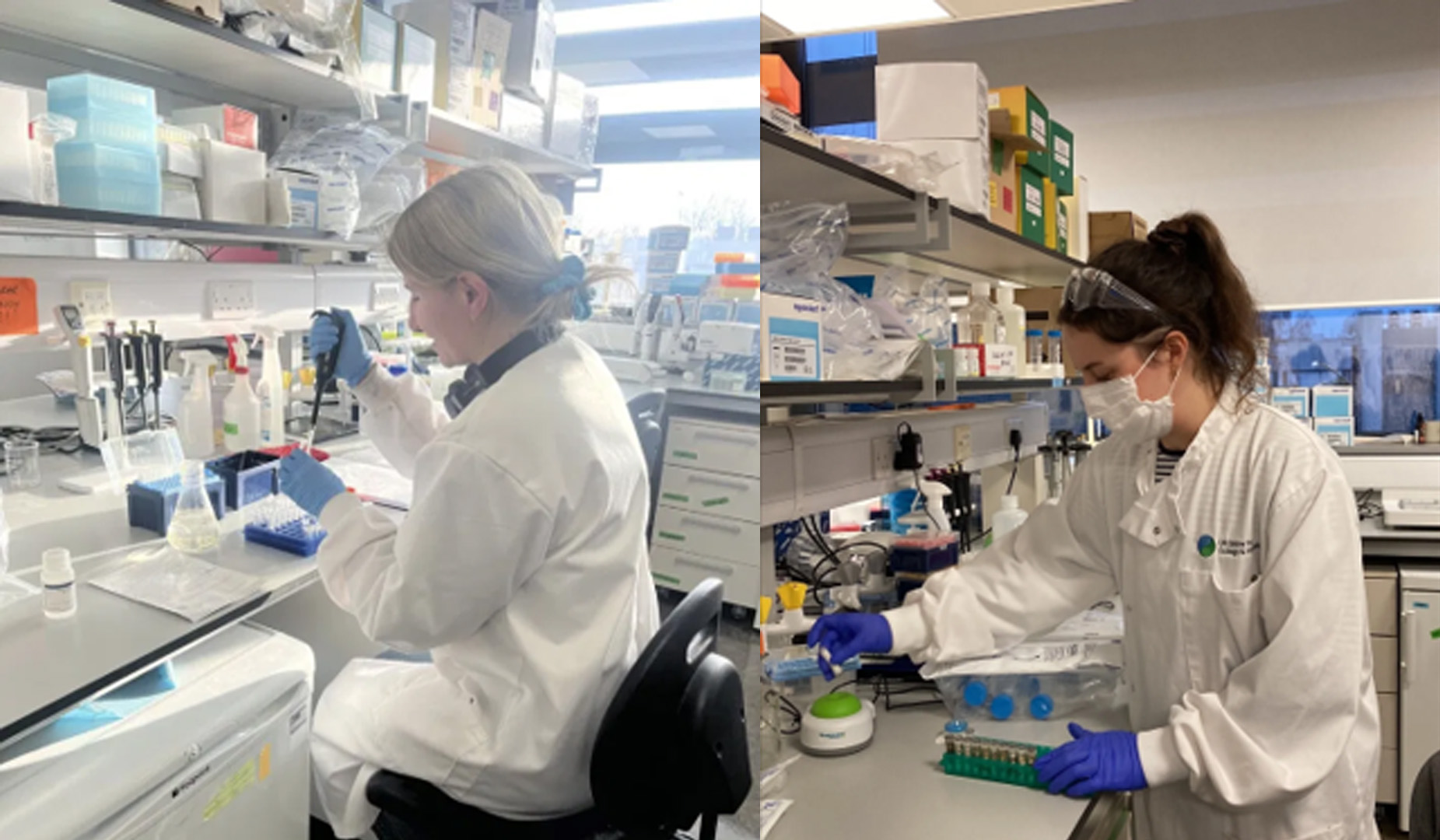
At the UK Centre for Ecology & Hydrology, our scientists combine field sampling, culture-based microbiology, molecular methods, sequencing, bioinformatics and environmental chemistry to investigate where AMR occurs, how it moves between connected environments and what might influence it.
Different methods reveal different parts of the picture
AMR is complex, and no single measurement captures every aspect of resistance in a sample or, on its own, shows what a detection means for ecological or human health. UKCEH researchers therefore use complementary methods, each of which answers a different question.
Culture-based microbiology identifies viable bacteria and tests whether they grow in the presence of antibiotics. Quantitative PCR (qPCR) detects and quantifies specific antimicrobial resistance genes (ARGs), even at low abundance. Metagenomic sequencing analyses DNA from the whole microbial community, revealing its composition and the wider collection of ARGs, known as the resistome. Each method has its own considerations, as a gene detected by qPCR may be within in a viable cell, a dead cell or extracellular DNA. Whereas culturing only captures organisms that grow under the conditions used. Metagenomics gives breadth, but interpretation depends on sequencing depth and reference databases. Combining methods gives a more holistic picture than any one technique alone.
Tracking AMR from sources to the environment
Resistant microbes, and the chemicals that select for them, reach the environment through many routes, including human waste, farming, industry and urban run-off. Recent UKCEH-led research highlights how land-use change, urbanisation and climate change can influence environmental AMR by altering microbial communities, selection pressures and pathways of resistance spread. To address this, UKCEH takes a catchment-scale approach, following these inputs through connected rivers and soils. Wastewater is one example of inputs we focus on. Wastewater treatment can substantially reduce microbial loads and the abundance of resistance genes in effluent before it reaches receiving waters, although removal efficiency varies depending on the treatment process and the targets measured.
Through the UK water industry’s Chemical Investigations Programme 3, UKCEH has investigated AMR across wastewater and sludge treatment in England and Wales, combining qPCR and metagenomics with chemical measurements to investigate the impact of treatment on AMR in wastewater, and on ecological and human health resistome risk. Current research extends this into receiving rivers, sampling wastewater and river water upstream and downstream of discharges to ask whether a wastewater-associated signal can be measured. Flow, dilution, rainfall, season, land use and the local microbial community may affect what is detected, so repeated sampling and hydrological and chemical context are essential.
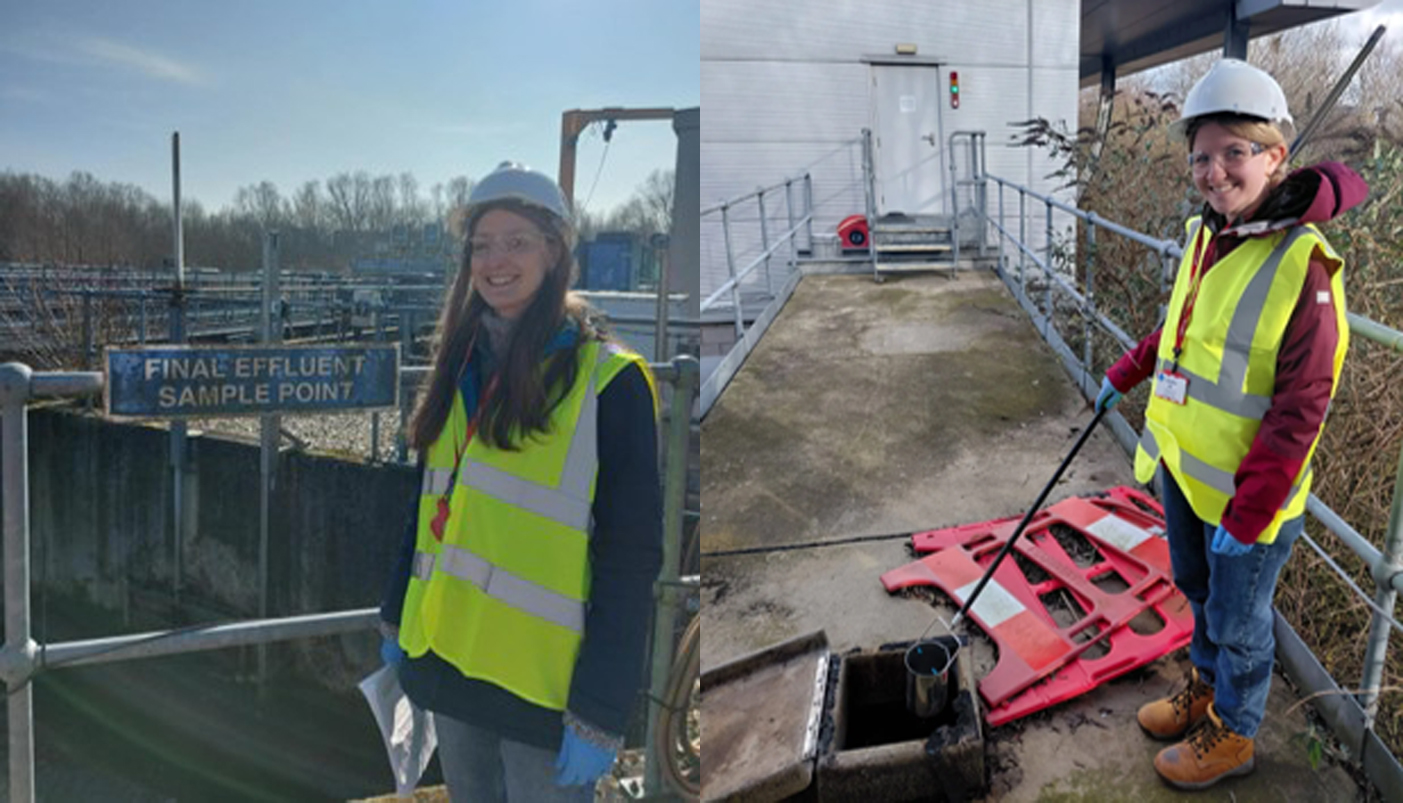
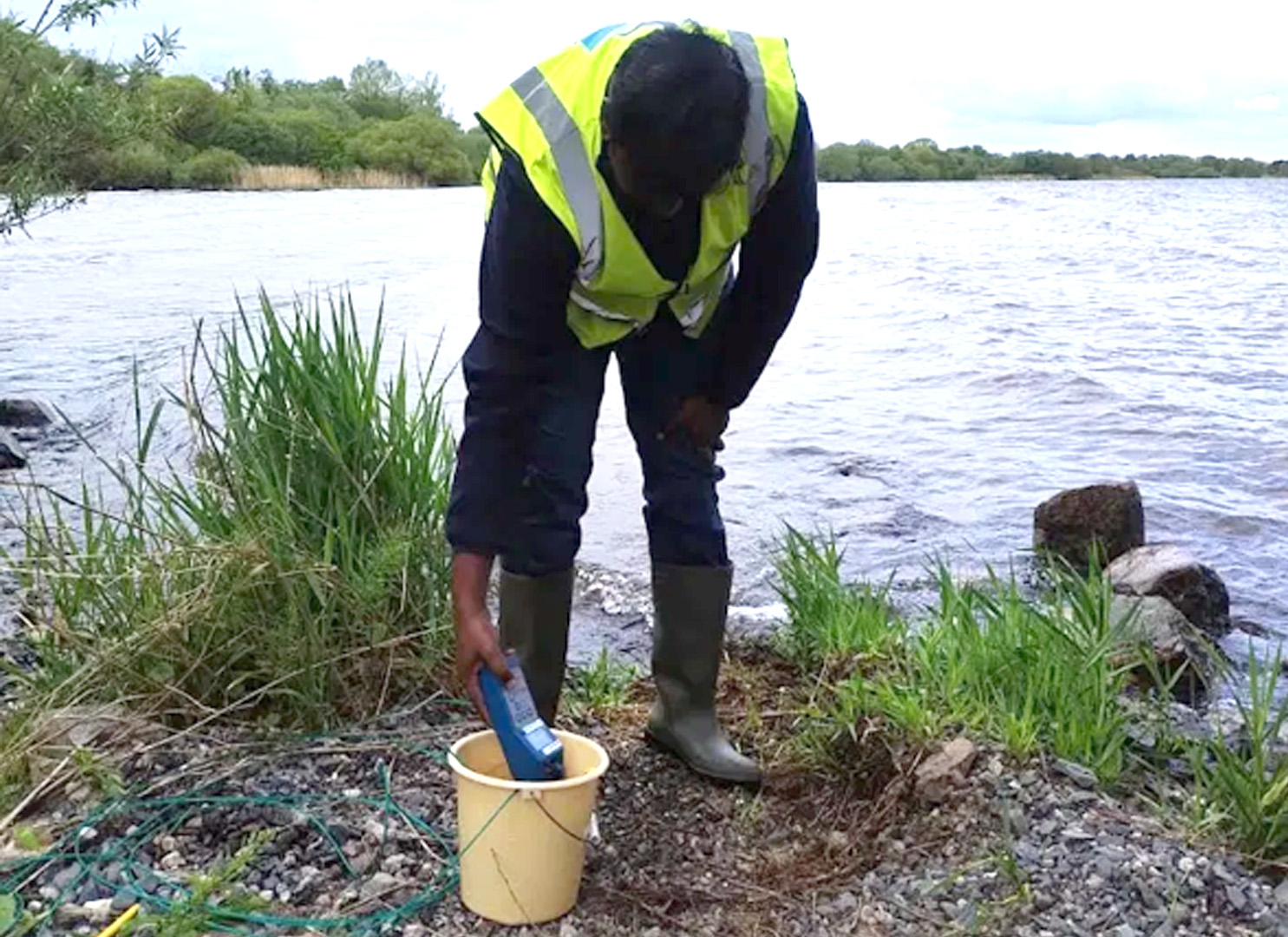
This catchment-scale perspective is also central to UKCEH's Catchment-Level Environmental AMR & eDNA Reconnaissance for Lough Neagh (CLEAR-Neagh) project, which investigates how pollution from different sources enters and moves through the Lough Neagh catchment in Northern Ireland. By combining microbial source tracking, environmental DNA analysis and metagenomic sequencing with environmental monitoring, the project aims to identify potential pollution sources and characterise microbial communities and AMR signals across connected waterways. This will help build the evidence needed to understand how human activities influence microbial water quality and inform targeted catchment management.
AMR in the environment
Soil is another critical piece of the puzzle, routinely receiving inputs from manures, biosolids, and crop protection products. Yet detecting AMR in soil is not automatically a red flag for human pollution. Recent UKCEH research tracking soil restoration, converting agricultural land back to minimally disturbed pasture, found that ageing soils naturally accumulate AMR as their microbial communities mature. Distinguishing between concerning, human-driven resistance and this natural baseline is essential, especially since those mature microbiomes deliver vital ecosystem services like carbon storage and improved water-holding capacity.
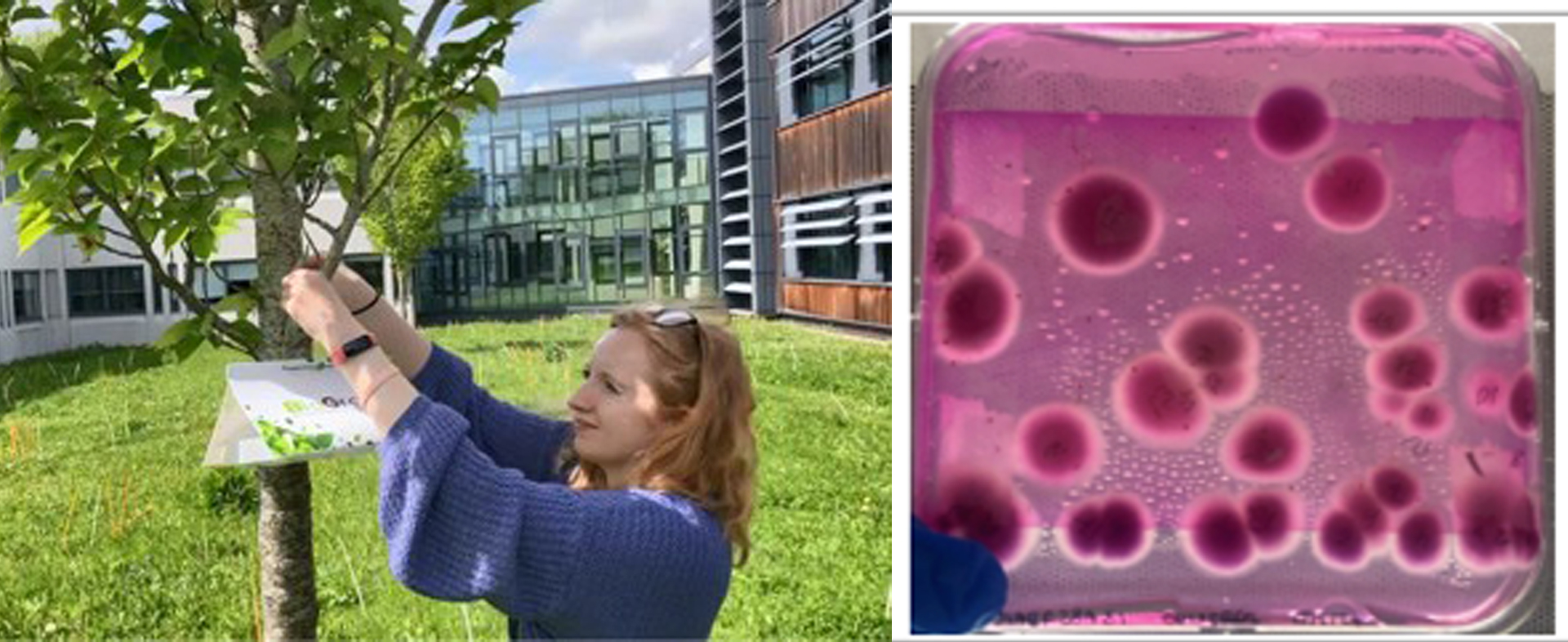
These processes highlight that AMR is not limited to antibiotics. Aspergillus fumigatus is a common environmental fungus that can cause aspergillosis in people with weakened immunity, and azole-resistant strains are harder to treat. Through the Monitoring for azole-resistant Aspergillus fumigatus (MARAf) project, UKCEH is investigating antifungal resistance in air, soil and compost through a citizen science study. The work also looks at the environmental conditions and antifungal residues that may favour the selection or persistence of resistance.
AMR also extends beyond people, livestock and crops. UKCEH scientists recently reviewed global studies of AMR in wild animals and plants. Research has focused heavily on mammals and birds, while plants, amphibians and resistant fungi are rarely studied, so important gaps remain. Because wild animals and plants can both harbour and spread resistance and act as sentinels, wildlife-based surveillance is a useful tool for understanding AMR where human, animal and environmental health meet.
Detection is only the beginning
Detecting AMR does not, in itself, indicate a risk to human health. Resistance genes are a natural feature of microbial communities and can increase during ecological recovery, as UKCEH's soil restoration research shows, so a detection cannot necessarily be assumed to reflect human influence or human health risk. Similarly, a resistance gene identified by qPCR is not necessarily carried by a viable pathogen, since DNA may persist after cells are no longer viable. Likewise, an association between a chemical and a gene does not by itself demonstrate selection for AMR.
This is why environmental AMR research depends on converging evidence. Culture-based data, gene abundance, metagenomic information, chemical concentrations, and site context each address a different part of the problem. Together they can help determine whether a signal differs from environmental background, whether it is consistently associated with a source or process, and which questions require further investigation.
Making environmental AMR evidence useful
UKCEH's role is not simply to show that AMR exists in the environment. Resistance is a natural feature of microbial ecosystems, so the challenge is to understand how human activities alter its abundance, distribution and movement, and whether this matters for environmental or public health. By integrating microbiological and molecular measurements with ecology, chemistry and hydrology, we can begin to distinguish natural variation from anthropogenic influences and identify where interventions may be most effective.
Our evidence is policy-facing. Working with policymakers and other collaborators, UKCEH has reviewed the antibiotic and antifungal concentrations that select for resistance in water and soils, how disinfectants enter the environment and may contribute to AMR, and options for surveillance in wildlife, river catchments and bathing waters. This supported the UK's National Action Plan on AMR by filling knowledge gaps and guiding monitoring and future action on chemical and AMR pollution.
This World AMR Awareness Week reminds us that AMR is not confined to clinics, farms or wastewater treatment works. It is a natural phenomenon shaped by interconnected human, animal and environmental systems, with human activities influencing its selection and spread. The genes and organisms involved may be microscopic, but the processes shaping them are not. By moving beyond detection to understanding these processes, UKCEH scientists are building the evidence for a more effective One Health response to AMR.

Senior Molecular Microbiologist
Employment
2020 - present: Molecular Biologist, UKCEH.
2016 - 2021: PhD student, UKCEH and University of Exeter.