Biomass Connect: Biomass Innovation and Information Platform & Distributed, Multi-Site Feedstocks Demonstrator

The Biomass Innovation and Information Platform, created by Biomass Connect and led by the UK Centre for Ecology & Hydrology, is a demonstration and knowledge sharing programme-of-work to showcase best practice and innovations in land-based biomass feedstock production.

Image
Biomass Connect logo

What is biomass and what does this project Biomass Connect do?

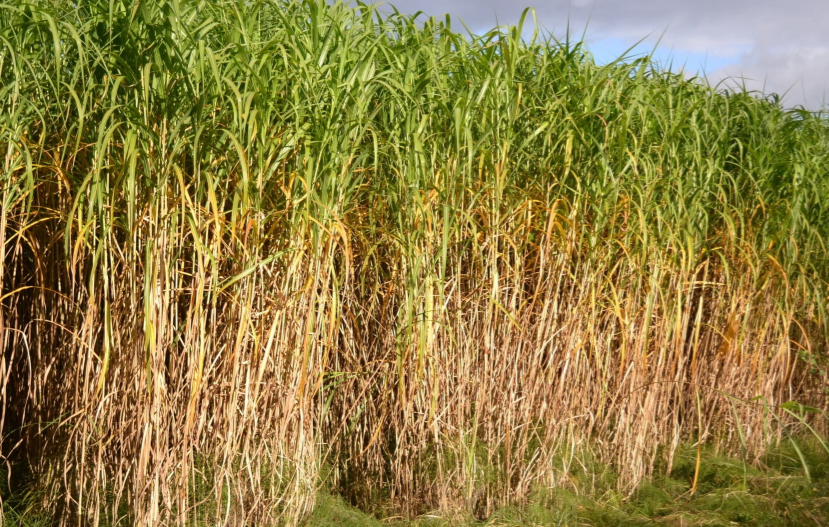
Biomass crops are typically herbaceous or woody plants with very high growth rates, limited requirements for nutrient input or intensive cultivation, and a high potential energy content or calorific value.

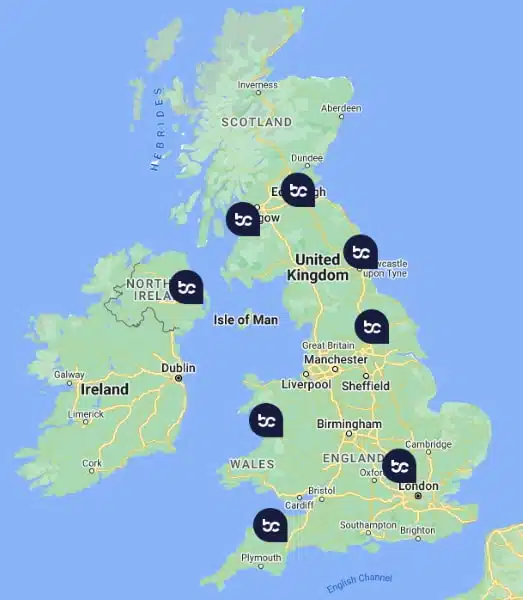
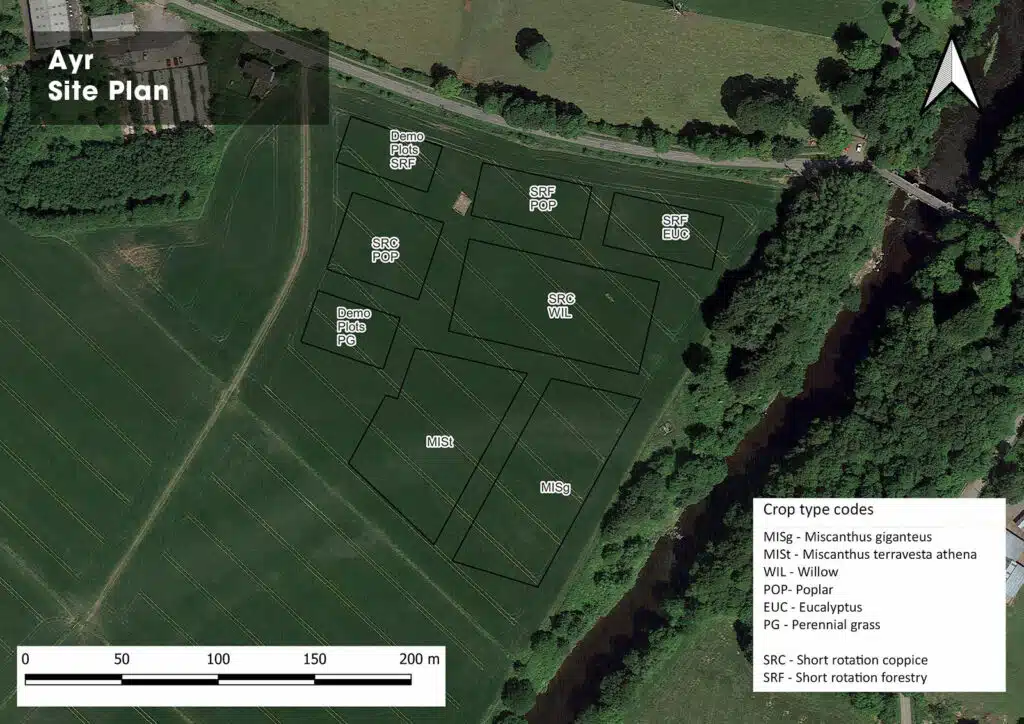
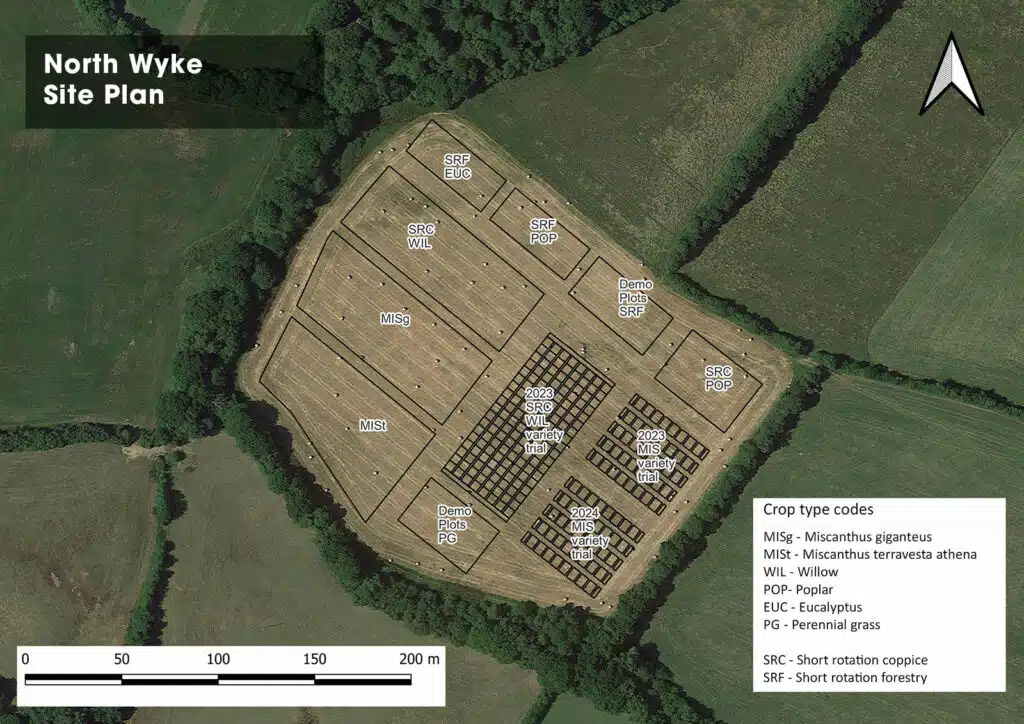
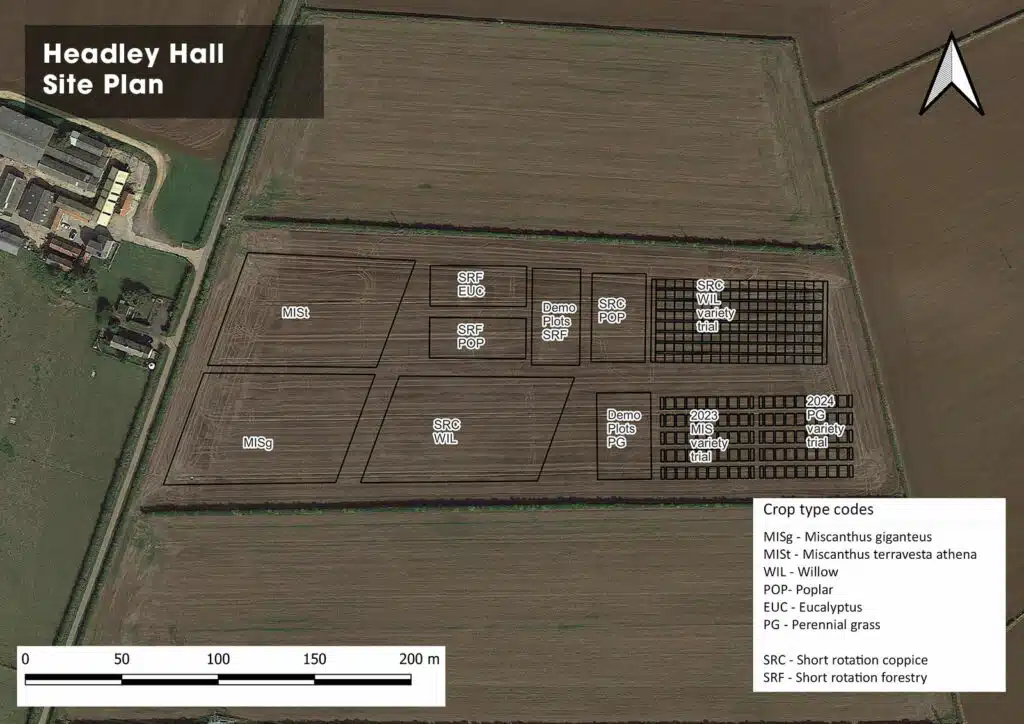
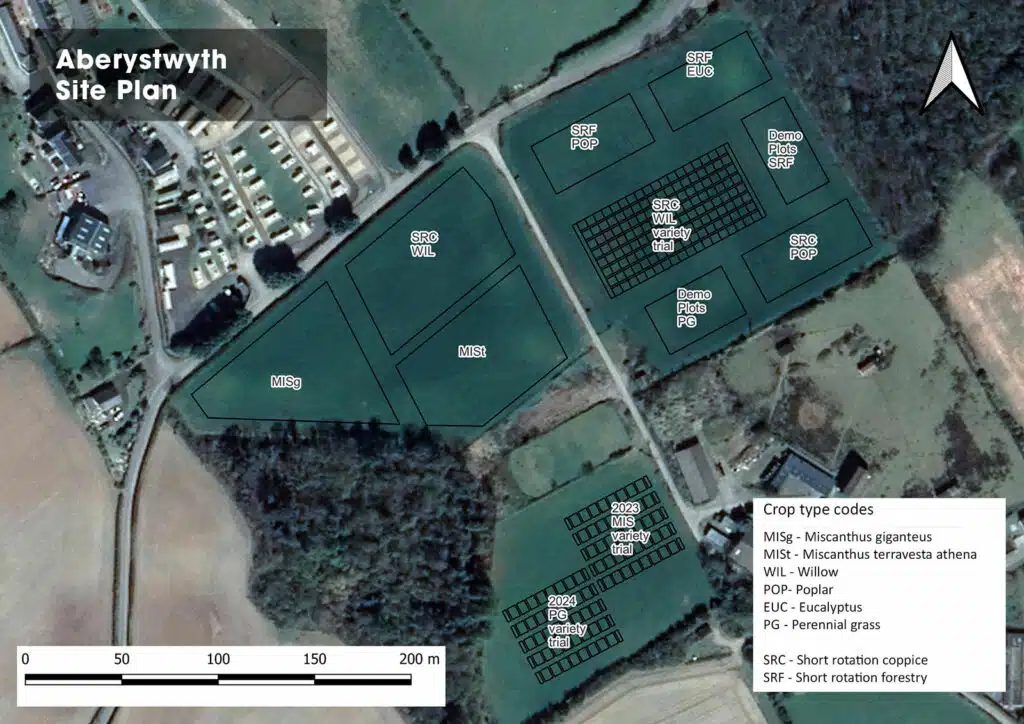
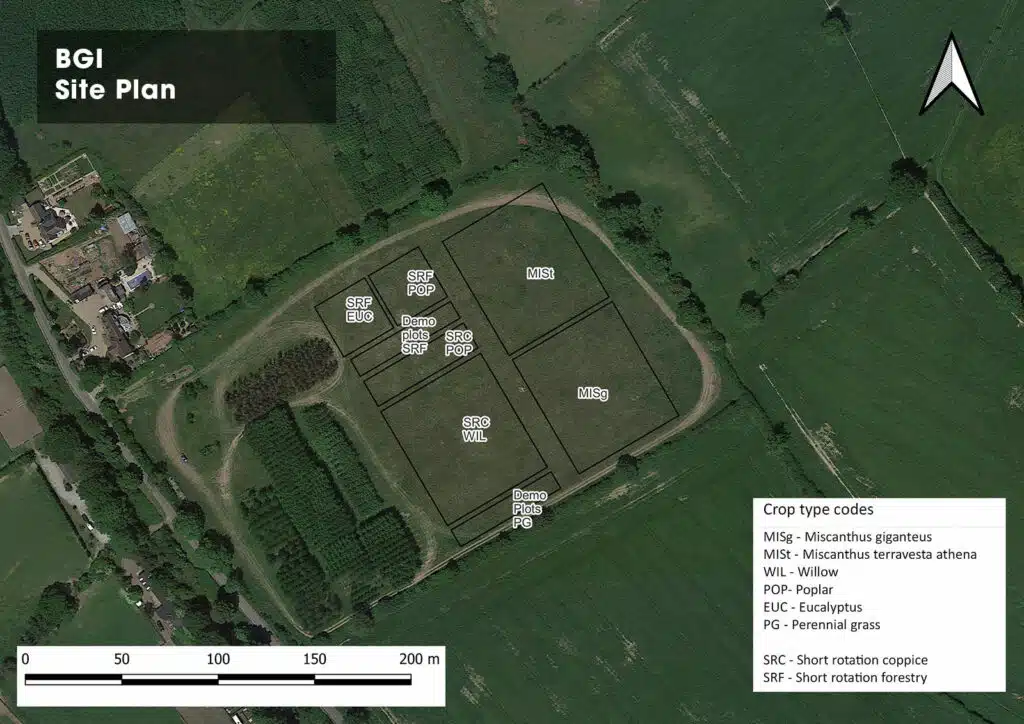
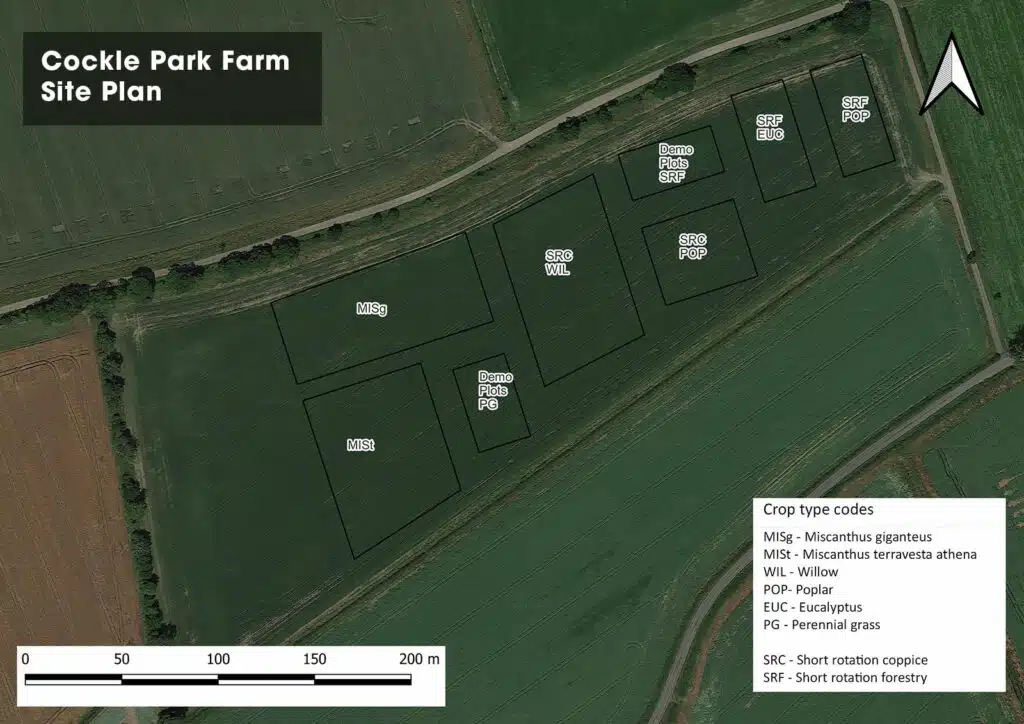
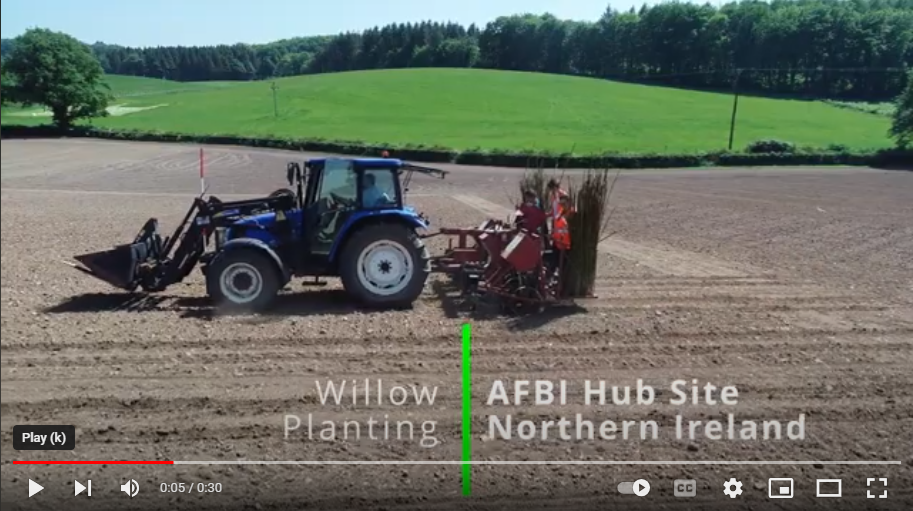
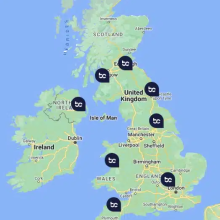
The Biomass Connect project established eight demonstration sites of biomass agriculture across the UK, located in Ceredigion, South Ayrshire, Buckinghamshire, Devon, Edinburgh, County Down, Tyne & Wear and Yorkshire. Throughout the project, it published useful information, produced independent evidence, and hosted practical demonstrations of approaches to growing and harvesting these crops.
Biomass Connect project activity (completed)

  • Development of a comprehensive Biomass Connect website and a wide range of online resources and downloadable materials
  • Delivery of social media activity and online events during the project lifecycle
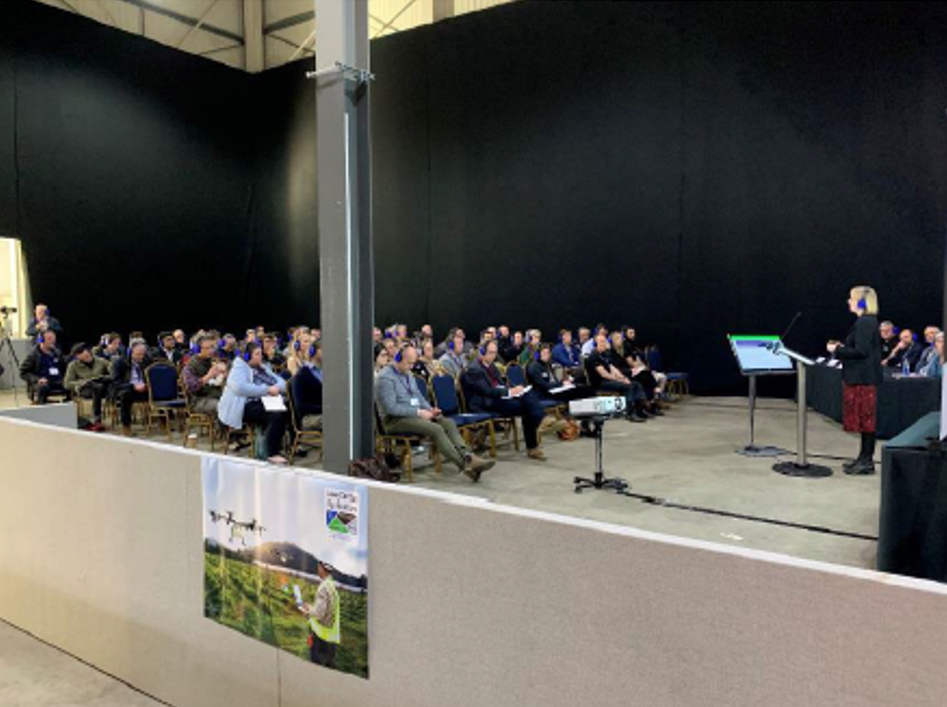
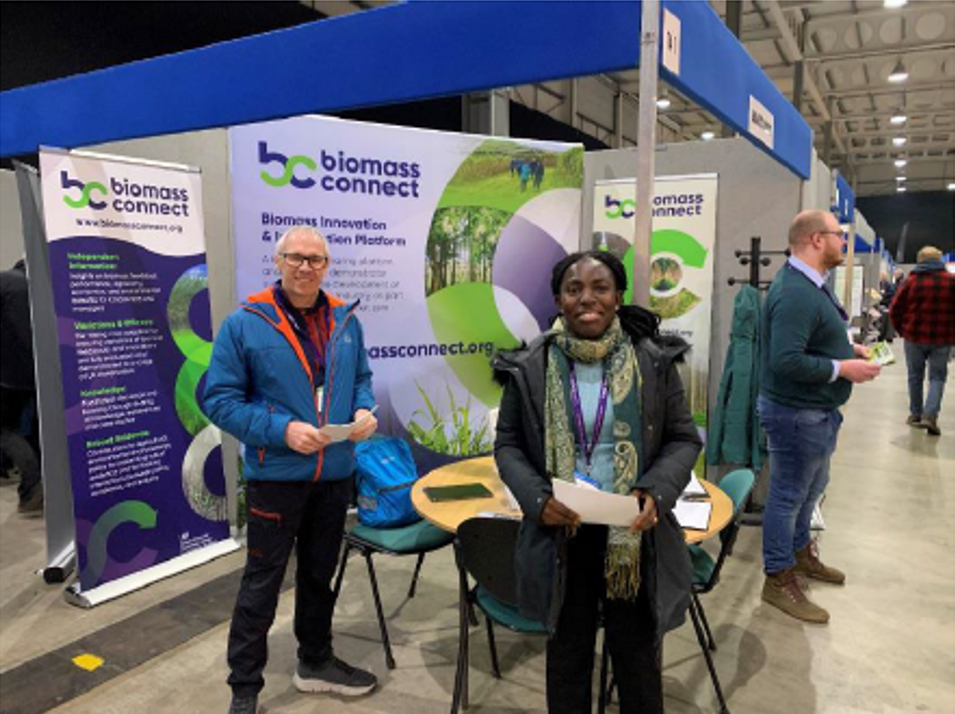
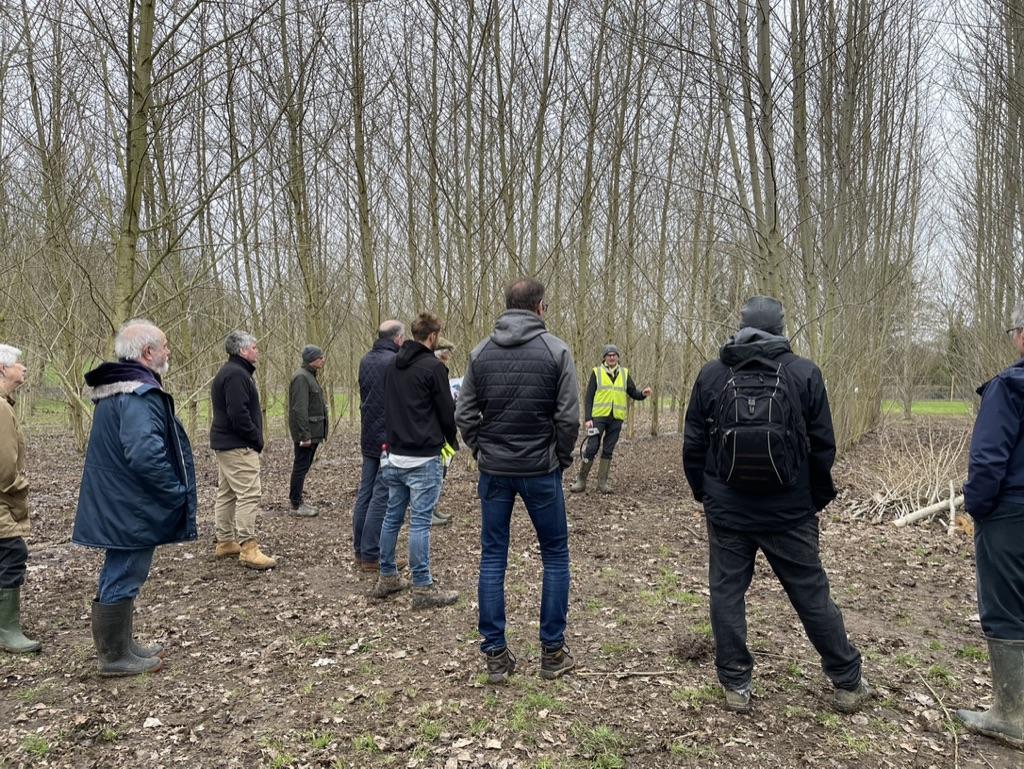
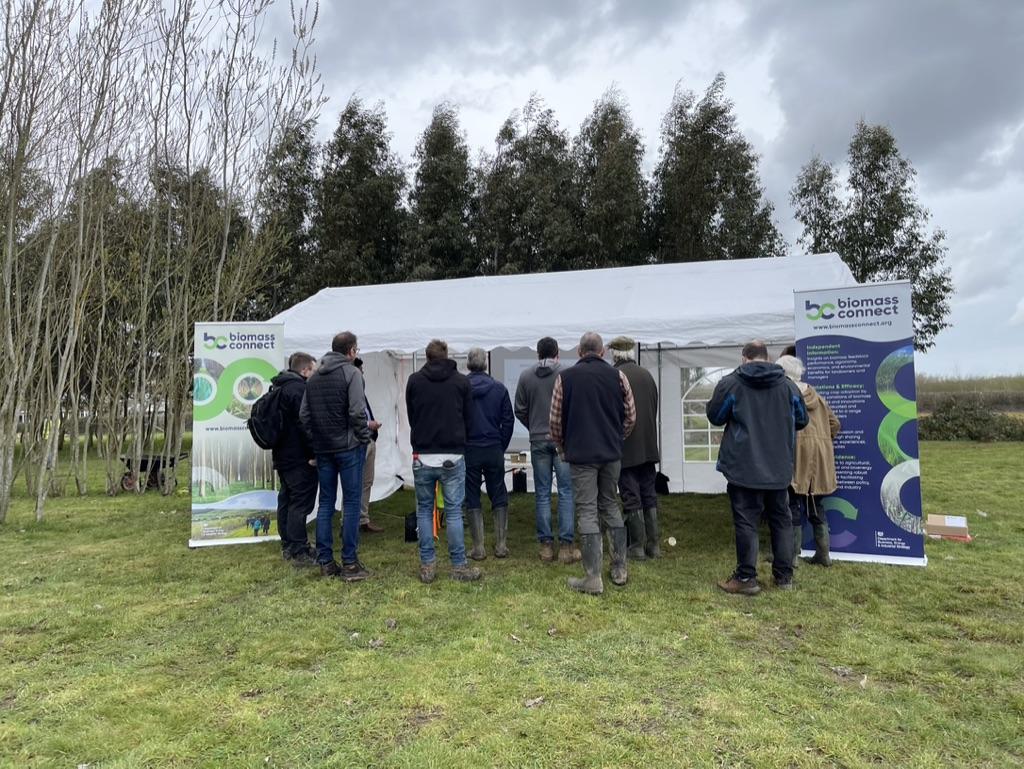
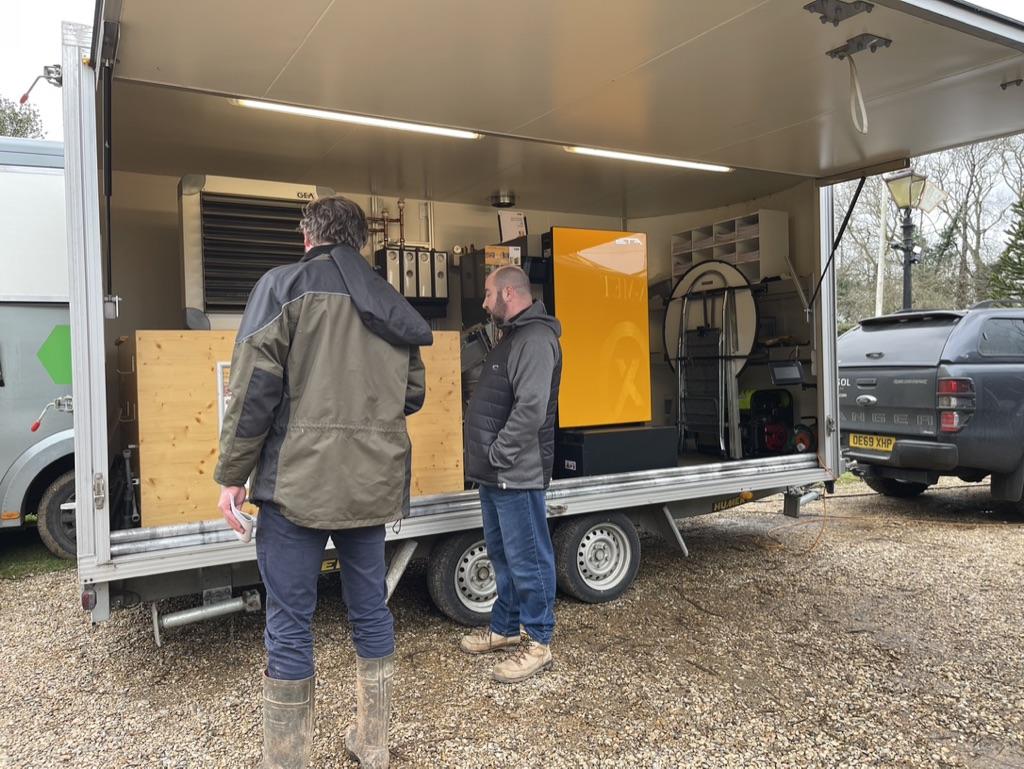
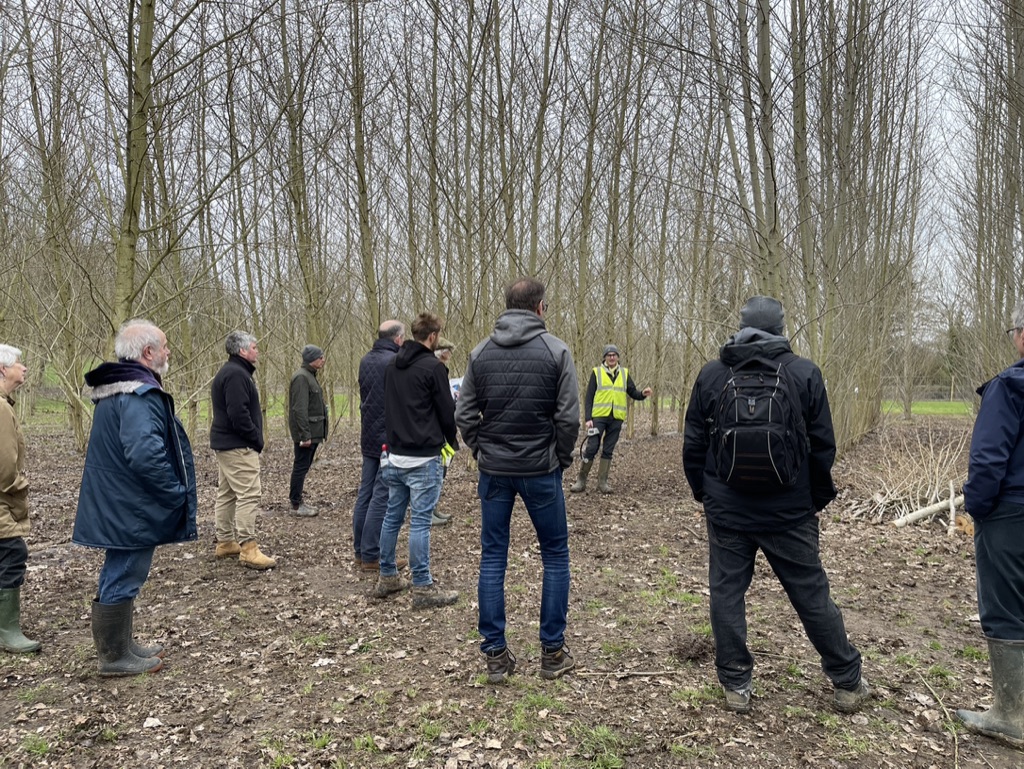
  • Demonstration and discussion events showcasing biomass feedstocks
  • A series of webinars with expert guest speakers (available on YouTube)
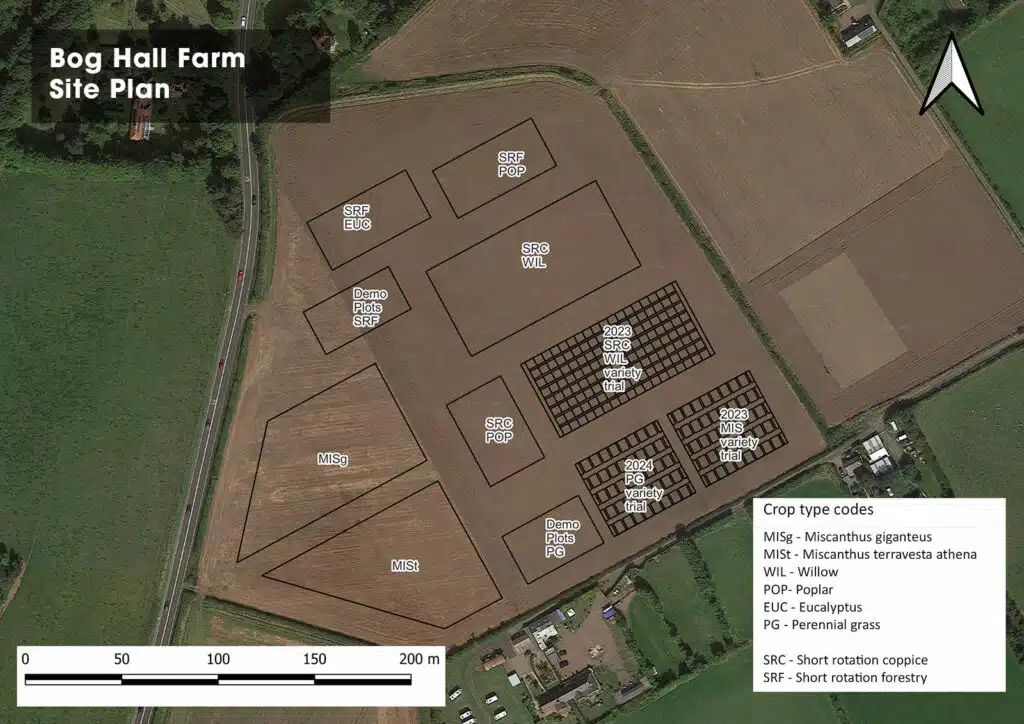
  • Establishment of eight field ‘Hub sites’ with consistent crop selections to enable comparison of establishment and growth across UK regions
  • Standardised planting and management of multiple species and variants at each site
  • Collection of soil and environmental samples, alongside monitoring to support subsequent yield analysis
Image
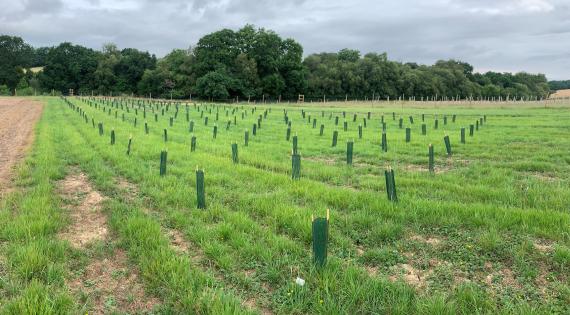
SRF Eucalyptus just planted in a large field

Four primary aims

Independent Information

Variations and Efficacy

Knowledge

Robust Evidence

Independent information: To provide robust, independent information on biomass feedstock performance, agronomy, economics and environmental benefits to landowners and land managers.
Variations and efficacy: To de-risk new crop adoption by ensuring that geographic variations in the efficacy of biomass feedstocks and relevant innovations are fully evaluated and demonstrated to a broad range of stakeholders across the UK.
Knowledge: To facilitate discussion and learning regarding the biomass sector by enabling the sharing of knowledge, experiences and case studies.

Robust evidence: To contribute to agricultural, environmental and bioenergy policy development by contributing robust evidence and facilitating interactions between policy, academia and industry.

Biomass crops & perennial energy crops (PECS)

Biomass crops, sometimes referred to as energy crops, are non-food plants cultivated for the purposes of energy production. They are typically herbaceous or woody plants with very high growth rates, limited requirements for nutrient input or heavily managed cultivation, and which possess a high potential energy content or calorific value.

Plants that possess these characteristics can be used to produce heat, electricity, and transport fuels at low rates of overall net carbon emission, and even carbon neutrality in the right circumstances.

How the project provided information

Best practice and innovations in biomass cultivation were demonstrated through in-person events at the Biomass Connect field sites. These activities supported knowledge exchange among farmers and growers considering biomass crops, as well as government advisers, trade bodies, businesses and biomass end users.

The project provided independent information on biomass feedstock performance, agronomy, economics and environmental benefits. By improving understanding of geographic variation and technical innovations in production methods, Biomass Connect supported informed decision-making and encouraged discussion across the biomass sector.

Outcomes

The sharing of knowledge, experiences and case studies through Biomass Connect contributed to agricultural, environmental and bioenergy policy development, practical on-farm innovation, and the broader growth of the UK’s biomass sector.

Resources, publications and recorded materials from the project remain available, although they are currently no longer being actively updated and availability may change over time.

Who we are and why the project was undertaken

Biomass Connect was part of the Biomass Feedstocks Innovation (BFI) Programme; a £36 million programme funded through the Department for Energy Security and Net Zero’s £1 billion Net Zero Innovation Portfolio.

This portfolio of work is accelerating the commercialisation of clean energy technologies and processes through the 2020s and 2030s. Land based greenhouse-gas removal is a key part of achieving net zero by 2050 for the UK. Bioenergy combined with carbon capture and storage technology is identified as an essential component of delivering this target and will require a large and rapid scaling up of domestic biomass production. The BFI Programme aims specifically to increase the production of renewable and sustainable UK biomass feedstocks.

Biomass Connect contributed to this aim by reducing barriers to innovation and scaling up biomass production through an independent platform showcasing best-practice agronomy and emerging innovations.

UKCEH and partners

Biomass Connect was led by project professionals and researchers at the UK Centre for Ecology & Hydrology. Project partners included the Agri Food Biosciences Institute (AFBI), Bio Global Industries (BGI), IBERS at Aberystwyth University, NIAB, Newcastle University, Rothamsted Research & Scotland’s Rural College (SRUC). Biomass Connect was also supported by an Advisory Board consisting of individuals from the Supergen Bioenergy Hub, the National Farmers Union, Drax, Defra, the Irish Bioenergy Association, Evolving Forests and AMP Clean Energy.

Project Lead