As countries work towards ambitious global biodiversity targets, access to reliable monitoring data has never been more important. However, many low- and middle-income countries (LMICs) face significant barriers to collecting, managing and using the biodiversity data needed to inform conservation and policy decisions.
A new report, led by UK Centre for Ecology & Hydrology (UKCEH) and funded by Defra, provides evidence and co-designed recommendations on the opportunities, needs and barriers for accessing and using biodiversity monitoring technologies and data in LMICs.
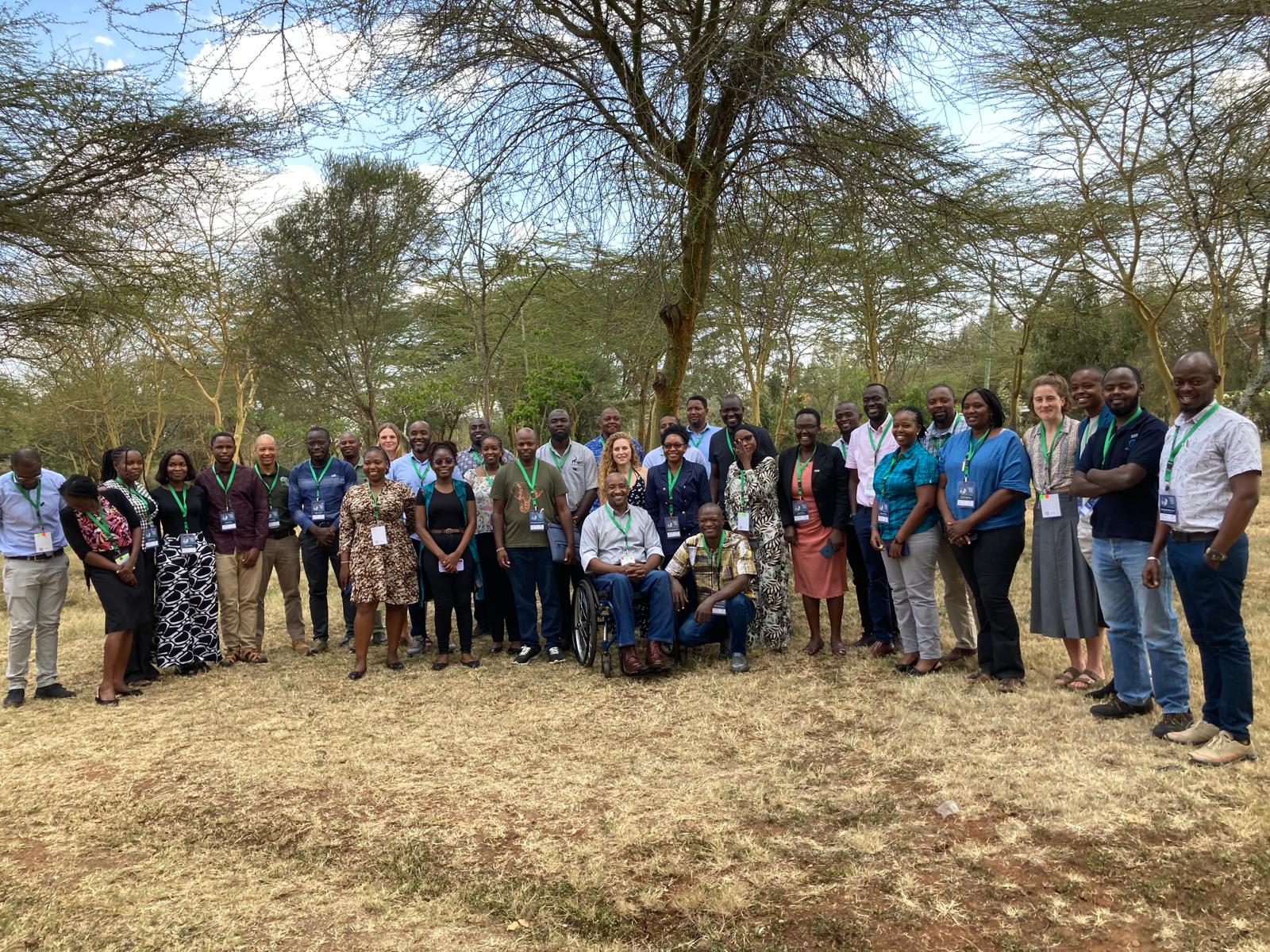
The report, gathered evidence from a global literature review, questionnaires, interviews and a regional stakeholder workshop to understand how a range of technologies and data are being used for biodiversity monitoring across LMICs.
Findings highlight the value of technologies in improving the speed, efficiency and quality of data collection and reporting, while also showing the challenges that need to be addressed.
These include:
- Limited access to affordable, locally appropriate biodiversity monitoring technologies that are designed, produced and supported for local contexts.
- Biodiversity data is often fragmented, inaccessible or not fit for purpose, limiting its use in decision-making.
- Analytical infrastructure, technical skills and data interpretation capacity lag behind data collection, creating barriers to turning data into action.
- Weak communication, collaboration and data-to-decision pathways reduce the impact of biodiversity monitoring efforts.
- Local communities and their knowledge are often not recognised or included in a just and meaningful way.
Across evidence streams, a key message was that developing new and high-tech technologies is not where the greatest opportunity exists for improving biodiversity monitoring, rather that tools and data, along with the capacity to use them, need to become embedded in local institutions alongside strong data governance frameworks.
The report is a key output from the Innovate 4 Nature project, led by Dr Jenna Lawson and shaped by the work of lead researcher Laura Braunholtz, partners at the Tropical Biology Association and other colleagues across UKCEH.
The report outlines findings and recommendations for technology developers, practitioners, policymakers and funders to support more effective, equitable and locally relevant biodiversity monitoring systems.
Next steps
We are now working to translate the report's findings into practical action. Building on the recommendations, the team is developing programmes and partnerships that will test approaches to inclusive technology transfer, capacity strengthening and improved biodiversity data use in LMICs.
- Read the executive summary.
- Read the full report.
Find out more about Innovate 4 Nature.