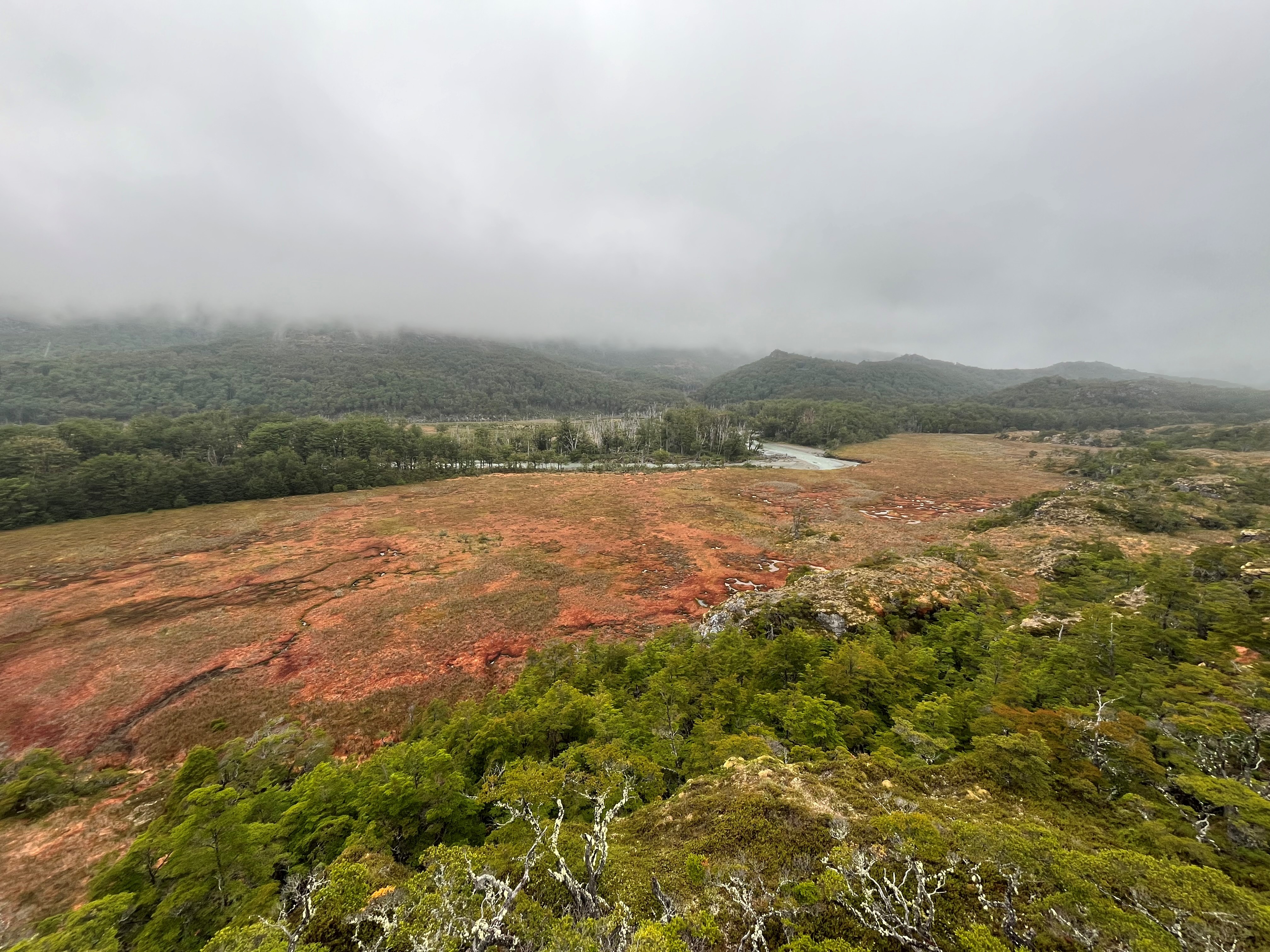
A new report, published by the Food and Agriculture Organization of the United Nations (FAO) and led by the UK Centre for Ecology & Hydrology (UKCEH), provides updated scientific guidance to help developing economies more accurately estimate and report greenhouse gas emissions from peatlands.
The report, Peat-Emit: Supporting developing economies to estimate and report greenhouse gas emissions from organic soils, presents new and revised emission factors that estimate how much carbon dioxide, methane and nitrous oxide are released from organic soils under different land uses and drainage conditions. These data provide the basis for countries to report their greenhouse gas emissions from drained and degraded peatlands (alongside other sources such as fossil fuel burning and deforestation) to the UN Framework Convention on Climate Change.
Peatlands cover only 3-4% of the Earth's land surface but store around 30% of global soil organic carbon. When drained, degraded or burned, they can become significant sources of greenhouse gas emissions, making their protection and restoration an important component of climate mitigation in many countries around the world.
The report is a key output of the Peat-Emit project, led by UKCEH and funded, via the FAO, by the UK government's AIM4Forests programme.
To support the work, UKCEH led a comprehensive review of the scientific literature, working with FAO, the University of Leicester and an international steering committee which included experts from five continents. The team developed a new global database containing 560 emissions and removals data points from developing economies, around 45% more evidence than was available when the Intergovernmental Panel on Climate Change (IPCC) Wetlands Supplement was published in 2013 and geographic coverage was expanded to include Africa and Latin America.
Professor Chris Evans, UKCEH peatland biogeochemist and lead on the project, said: “The expanded evidence base, resulting from this work, has enabled substantial updates to emission factors, particularly for tropical peatlands. The findings confirm drained organic soils as major sources of carbon dioxide emissions, indicate that nitrous oxide emissions from fertilised systems may be higher than previously estimated, and highlight water table depth as a key determinant of greenhouse gas emissions.
"The improved data and understanding provided by this work should help more countries to report their greenhouse gas emissions from peatlands, and support ongoing efforts to reduce those emissions.”
Despite these advances, the report highlights important remaining evidence gaps, particularly in Africa, where globally important peatlands in areas such as the Cuvette Centrale in the Congo basin, the Sudd wetlands of South Sudan and the East African Highlands remain major data gaps.
Next steps
FAO and UKCEH plan to submit the findings to international greenhouse gas accounting processes, including the IPCC Emission Factor Database, helping to improve future reporting guidance and support more robust national greenhouse gas inventories.
Read the full report: Peat-Emit: Supporting developing economies to estimate and report greenhouse gas emissions from organic soils (FAO).