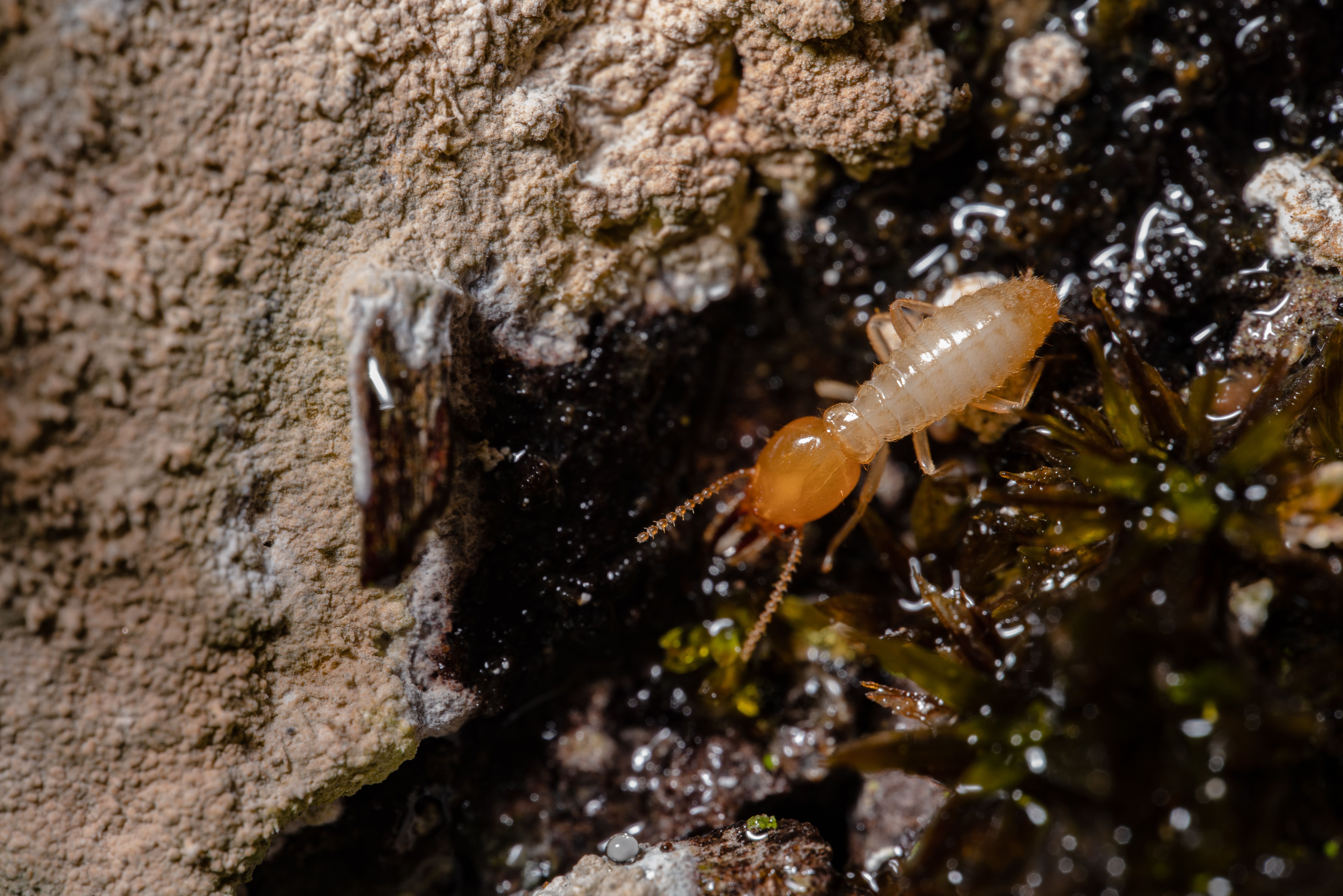
- Major global analysis shows insects provide diverse benefits for other animals – from food and shelter, to protection and even medicines.
- Scientists warn that insect losses will have major knock-on impacts for wildlife and ecosystems.
From grizzly bears and chimpanzees to geckos and poison dart frogs, the lives of tens of thousands of animal species depend on insects and other invertebrates not just for food. They provide, homes, medicines, sanitation and chemical self-defence, often living alongside each other in mutually beneficial relationships.
Scientists are now warning that widespread insect declines will therefore have far-reaching impacts on other species. An international research team carried out the most comprehensive global scientific analysis to date of the impacts of insects on wildlife, led by the UK Centre for Ecology & Hydrology (UKCEH) and Binghamton University, USA.
The scientists reviewed evidence from almost 300 studies published over the past 75 years relating to land and freshwater wildlife, including mammals, birds, amphibians, reptiles and fish. It found nearly three-quarters of studied wildlife species eat invertebrates – mainly insects – and over two-fifths exclusively so.
Many animals also rely on foods that exist only because insects pollinate plants or disperse seeds. Some species have developed remarkable adaptations for capturing them, from the projectile tongues of amphibians and chameleons to birds that have learnt to remove bee stings before eating them.
But the study, published in Nature Reviews Biodiversity, also identifies many ways that insects support wildlife beyond simply providing food.
- Providing homes: Wildlife use insect-built structures, particularly termite mounds and ant nests, for shelter, protection from predators, breeding grounds or laying eggs.
- Chemical defence: Some animals, such as poison dart frogs, accumulate toxins from the ants and beetles they eat and secrete them, making themselves less appealing to predators.
- Health and sanitation: Insects can reduce disease risk through the removal or drying of dung, which also kills parasites. Beetles prey on the larvae of blowfly and other pests, protecting birds and mammals from biting insects and disease. Chimpanzees apply insects to open wounds and some birds, reptiles, amphibians, rodents and primates use ants for grooming.
The paper’s co-lead author Dr Rob Cooke, a senior ecologist at UKCEH, said: “Our study presents the most holistic picture of interactions between insects and wildlife to date. It highlights the remarkable and often overlooked ways that insects support other animals, and the extraordinary relationships between them.
“Widespread insect declines globally are likely to have far-reaching effects on wildlife. Beyond reducing an essential food source, losses of insects risk changing ecosystems, disrupting pollination and seed dispersal, weakening sanitation, and altering the many interactions that help ecosystems function.
“We therefore hope our research strengthens the message that protecting insect populations is essential for protecting wider biodiversity.”
Helpful housemates
Some species of wildlife live alongside insects in mutually beneficial relationships. Moths have been found in owl and kingfisher nests, where they decompose fur, crushed feathers, pellets and faeces. They also live on the backs of brown-throated sloths where they deposit nitrogen in their fur and spur algal growth, a key food source for their hosts.
The study does, though, also point out the negative impacts. Although insects generally do not eat other animals, it does occur, such as dragonfly nymphs eating tadpoles and small fish and mantids sometimes capturing hummingbirds and other small birds. Ants and wasps have been reported to attack lizards, birds and mammals.
Meanwhile, different species of mosquitoes transmit avian malaria and West Nile virus to birds, or fungus to frogs, and fleas pass on pathogens to mammals.
Dr Eliza Grames of Binghamton University, co-lead author of the paper, concluded: "Changes in insects can have massive consequences for food webs and ecosystems. Declines in insect populations could risk destabilizing some of the most fundamental processes that the natural world depends on."
– Ends –
Paper information
Cooke, Grames et al. 2026. The importance of insect biodiversity for vertebrates. Nature Reviews Biodiversity. DOI: 10.1038/s44358-026-00201-w.
The work involved an international team of researchers coordinated through the Status of Insects Research Coordination Network. Rob Cooke’s research was funded by the GLiTRS (Global Insect Threat-Response Synthesis) project and the UKCEH NC-International programme funded by UKRI.
Media enquiries
For interviews and further information, please contact: Lucy Preston, External Communications Officer at UKCEH. Email lucpre@ceh.ac.uk and press phone: 07920 295384.
About UKCEH
The UK Centre for Ecology & Hydrology (UKCEH) is a leading independent research institute dedicated to understanding and transforming how we interact with the natural world. With over 600 researchers, we tackle the urgent environmental challenges of our time, such as climate change and biodiversity loss. Our evidence-based insights empower governments, businesses, and communities to make informed decisions, shaping a future where both nature and people thrive.