The annual meeting for the EU Water4all project PLURALAKES was held in the Frisian Lake District in the Netherlands in May 2026. Representing the English Lake District case study area, UKCEH colleagues hopped aboard Eurostar to plan the next steps for co-creating positive nature futures for European lakes. Heather Moorhouse explains...
The PLURALAKES project, now in its second year, is working with stakeholders in three case study regions implementing the IPBES Nature Futures Framework for freshwater lakes. In this process participants from the English Lake District, the Netherlands and Finland are developing visions for positive lake futures, pathways towards achieving these visions, and understanding the combined benefits and trade-offs between different possible routes to the future.
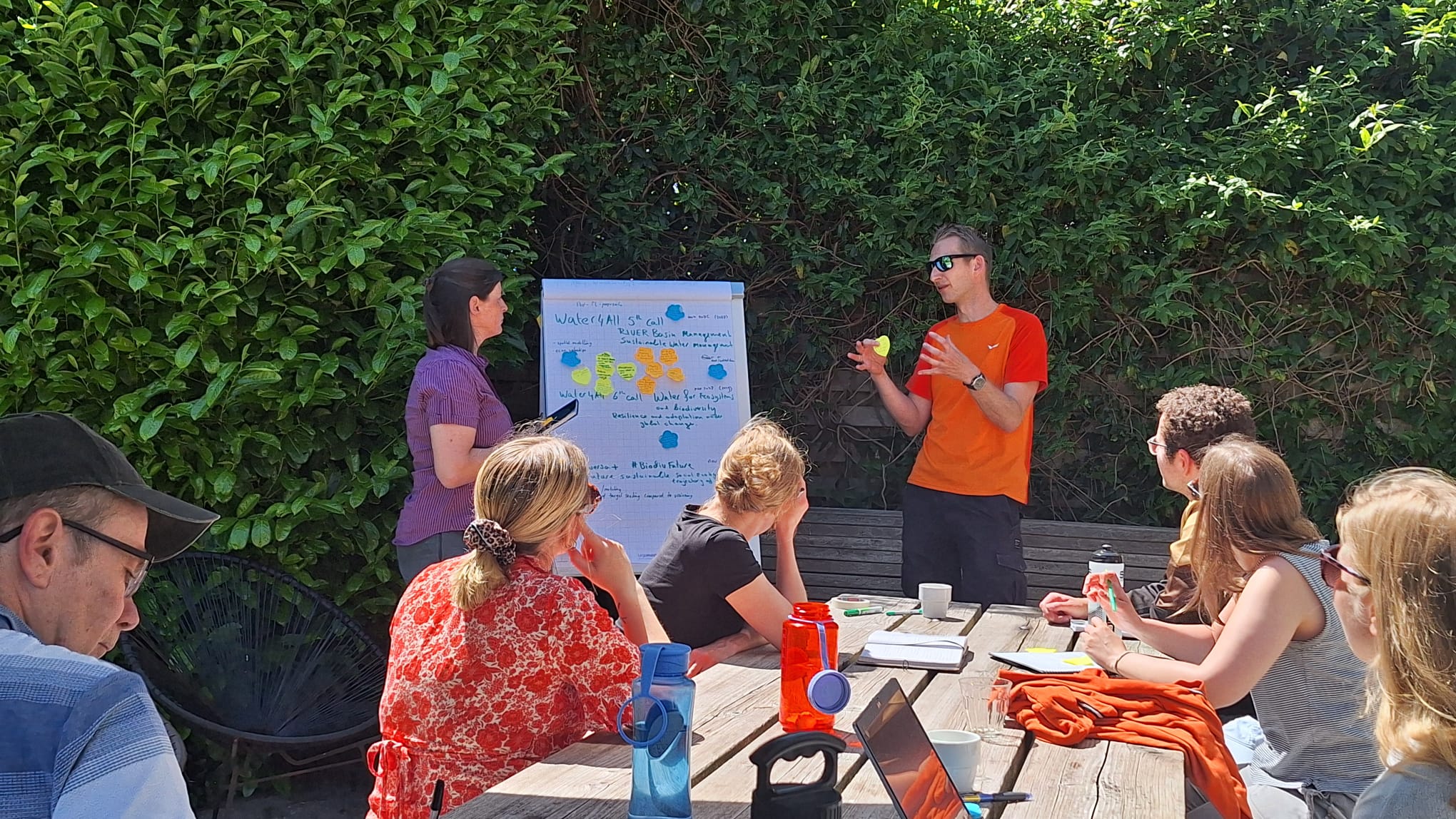
The mid-term PLURALAKES meeting in May 2026 brought together international researchers working on the different European case studies to the Frisian Lake region in the Netherlands.
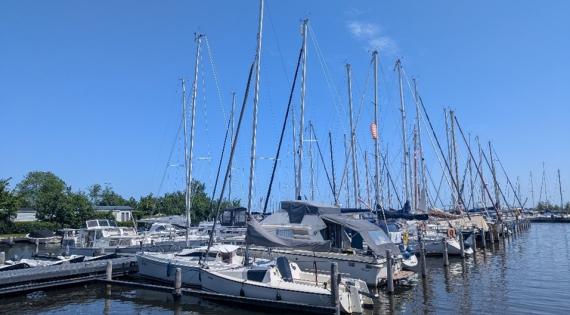
Once part of the Wadden Sea, these lakes were formerly shallow, intertidal mudflats but have been heavily engineered and drained for agriculture, becoming the flat landscape and freshwater wetlands of today. The area is now known for recreational sailing and PLURALAKES researchers got first-hand experience of crewing a traditional sailboat to experience the lakes from the water.
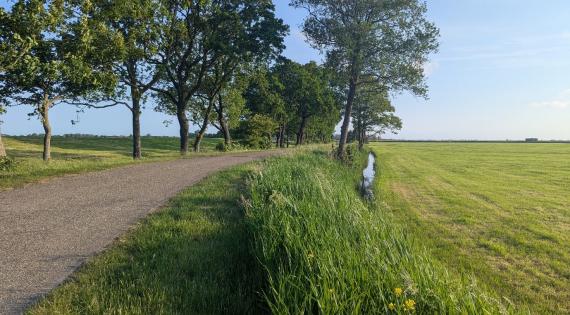
We also learned of the tensions between agriculture, recreation and nature, defining the importance of the freshwater resource for the region. For example, these lakes have high nutrient concentrations requiring engineered solutions to try and manage water quality. Lakes are routinely flushed to dilute and remove nutrients. Other measures such as buffer strips around agricultural land are widespread, with ditches fringed with reedbeds created to trap nutrients, providing habitat for wetland species such as storks.
Restoration of shoreline habitats form additional management activity, such as reedbed planting, although success has been limited in places due to excessive grazing by waterfowl, highlighting the challenge of managing improvements to biodiversity. But, despite being a heavily managed landscape, swifts and swallows fill the skies and hares bound around the farmland.
Lessons from the Frisian lakes
So, what can the English Lake District learn from the Frisian lakes? Well, they share broadly similar challenges around competing activity and management of the lakes and their landscapes. The diversity of the visions from each case study reflects the diversity of human values of these lakes.
A key difference, however, is that the Frisian lakes do not have the same number of visitors as the English Lake District. They also have clear trails and cycle pathways around the shores, managing access to pockets of wetland habitat. The result is that wildlife is undisturbed in many areas, while low intensity access promotes more opportunity to appreciate wetland species in others.