Working together to shape better policies for nature-friendly farming across Europe.
That was the goal of the inaugural Knowledge Exchange Network (KEN) on Agroecosystems, held in Brussels on 29-30 September as part of the EU-funded BioAgora project. The new network, bringing together scientific evidence, farmers' experience, local knowledge and policymakers, has been established to help ensure that the latest knowledge and evidence on agriculture and biodiversity can be more effectively used to inform European policy.
Together with my colleague Dr Myriam Dumortier from INBO, the Belgian Research Institute for Nature and Forest, we created and launched the KEN to which 50 participants, including researchers from EU-funded projects, policymakers from the European Commission and national governments, and representatives from civil society organisations were invited. The two-day event explored what policymakers most need to know to support biodiversity in Europe's farmed landscapes, and how existing evidence can help answer those questions.
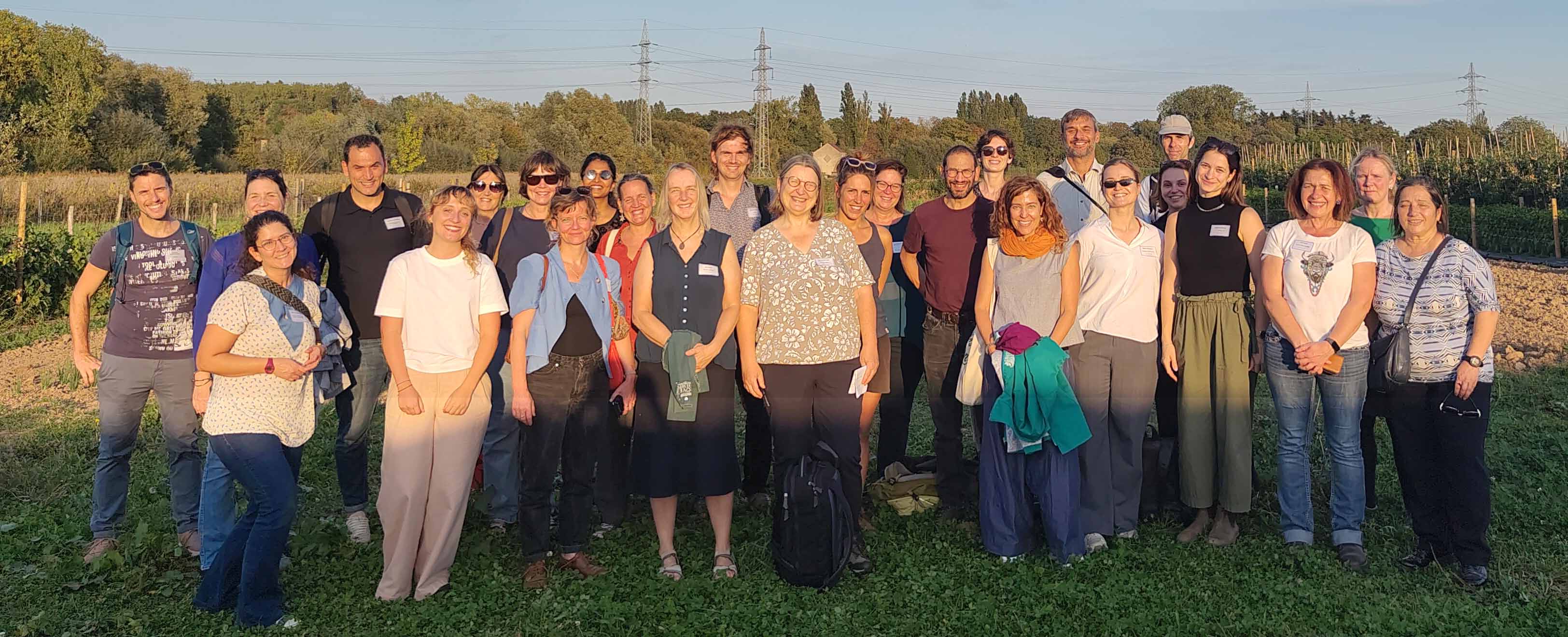
A recurring theme throughout the two days was that scientific research is only part of the picture. While the network benefits from a strong foundation of ecological expertise, participants highlighted the need to better incorporate social, economic, political and agricultural perspectives. In particular, discussions emphasised the value of the practical knowledge held by farmers and land managers.
This point was brought into focus by contributions from an Estonian cattle farmer, who shared first-hand insights into managing land for both food production and nature recovery. Discussions during the meeting and field visit reinforced the message that a huge amount of valuable knowledge is generated on farms every day, yet this expertise is not always reflected in policy development.
Participants agreed that creating space for local and practitioner knowledge alongside scientific evidence will be essential if Europe is to develop policies that work in the real world and deliver meaningful biodiversity gains. Several attendees pointed to the model used by the Intergovernmental Science-Policy Platform on Biodiversity and Ecosystem Services (IPBES), which seeks to bring together different forms of knowledge to inform decision-making.
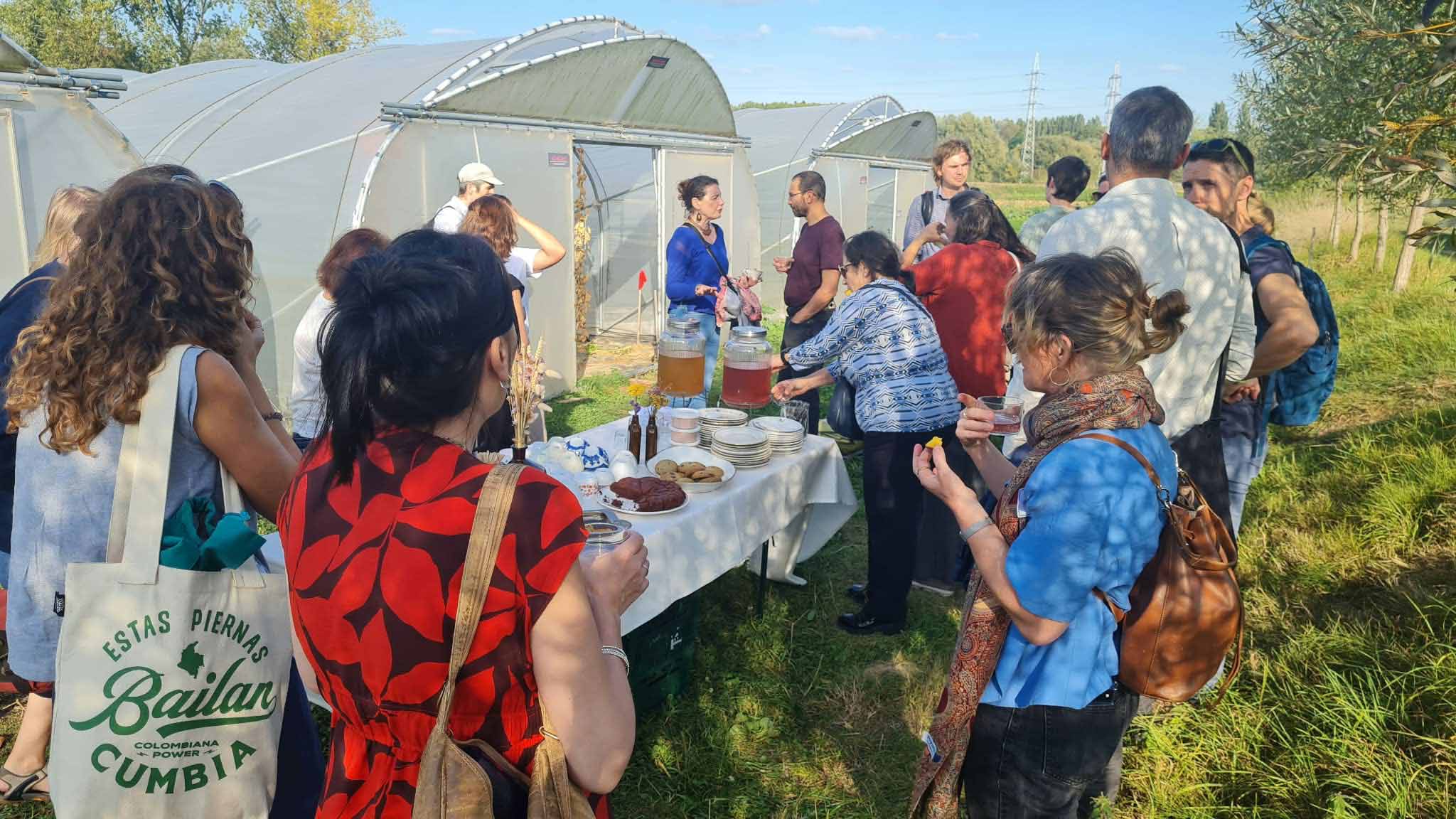
The presence of European Commission and country-level representatives at the meeting also provided an important opportunity to strengthen links between science, practitioners and NGO’s and policy. Together, network members began identifying priority questions that policymakers need answered and areas where further evidence, synthesis or research could help support future action on biodiversity in agricultural landscapes.
Although the network is only just beginning, the discussions in Brussels highlighted both the scale of the challenge and the opportunity ahead: building stronger connections between researchers, policymakers, farmers and communities so that decisions affecting Europe's agricultural landscapes are informed by the best available knowledge from all sources.
